
Embark on a journey to discover the secrets of finding a trustworthy fiduciary financial advisor in the UK or Canada. Unravel the complexities of the financial world as we delve into the realm of fiduciary advisory services, offering you valuable insights and expert guidance along the way.
In this guide, we will explore the definition of fiduciary financial advisors, the qualifications they should possess, how to conduct thorough research, and what to look for when meeting potential advisors. By the end, you'll be equipped with the knowledge to make informed decisions about your financial future.
Understanding Fiduciary Financial Advisors

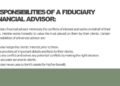
A fiduciary financial advisor is a professional who is legally obligated to act in the best interests of their clients when providing financial advice. In the UK and Canada, fiduciary advisors are required to prioritize their clients' needs above their own, ensuring transparency and integrity in their financial recommendations.
Working with a fiduciary financial advisor is crucial as it ensures that the advice you receive is unbiased and tailored to your specific financial goals. Fiduciaries are held to a higher standard of care compared to non-fiduciary advisors, which means they must always act in their clients' best interests, even if it means recommending a course of action that may not be the most profitable for the advisor.
Responsibilities of Fiduciary Advisors vs. Non-Fiduciary Advisors
- Fiduciary Advisors:
- Must always act in the best interests of their clients.
- Have a legal obligation to disclose any conflicts of interest.
- Provide personalized financial advice tailored to each client's unique situation.
- Are transparent about their fees and compensation structures.
- Non-Fiduciary Advisors:
- May recommend financial products that benefit them financially, even if they are not the best option for the client.
- Are not legally required to disclose potential conflicts of interest.
- May prioritize selling products that generate higher commissions, rather than what is best for the client.
- May not always provide unbiased advice due to potential incentives from financial institutions.
Qualifications and Credentials
As a potential client seeking a true fiduciary financial advisor in the UK or Canada, it is crucial to understand the qualifications and credentials that these professionals should possess to ensure they have the necessary expertise and ethical standards.
Typical Qualifications and Credentials
- A Certified Financial Planner (CFP) designation is a widely recognized certification that indicates an advisor has met rigorous standards for competency and ethics in financial planning.
- A Chartered Financial Analyst (CFA) designation signifies a high level of expertise in investment management and analysis.
- Registered Investment Advisors (RIAs) are regulated by the Securities and Exchange Commission (SEC) in the US or by relevant authorities in the UK and Canada, ensuring they adhere to fiduciary duties.
- Additional certifications like CPA (Certified Public Accountant) or ChFC (Chartered Financial Consultant) can also demonstrate a fiduciary's commitment to professionalism and ethical conduct.
Significance of Certifications like CFA, CFP, or RIA
Having certifications like CFA, CFP, or RIA is significant for fiduciary advisors as it demonstrates their commitment to continuous education, ethical standards, and expertise in financial planning and investment management. These designations provide assurance to clients that the advisor has met stringent requirements and is equipped to provide sound financial advice.
Verifying the Credentials of a Potential Fiduciary Financial Advisor
It is essential to verify the credentials of a potential fiduciary financial advisor to ensure they are legitimate and up to date. You can verify certifications through the issuing organizations' websites or databases. Additionally, you can request the advisor to provide proof of their credentials and check with relevant regulatory bodies or professional associations for any disciplinary actions or complaints against the advisor.
Conducting Research
When looking for a fiduciary financial advisor in the UK or Canada, conducting thorough research is essential to ensure you find a trustworthy professional who will act in your best interest.
Step-by-Step Guide
- Start by compiling a list of potential fiduciary advisors in your area through online searches, referrals from friends or family, or professional directories.
- Check if the advisor is registered with relevant regulatory bodies such as the Financial Conduct Authority (FCA) in the UK or the Investment Industry Regulatory Organization of Canada (IIROC) in Canada.
- Review the advisor's qualifications, experience, and areas of expertise to ensure they align with your financial goals and needs.
- Schedule initial consultations with the advisors on your list to discuss their approach, services offered, and fees.
- Ask for references from current or past clients to get a better understanding of the advisor's track record and reputation.
Key Factors to Consider
- Evaluate the advisor's reputation by checking for any disciplinary actions or complaints filed against them.
- Consider the advisor's track record of success in helping clients achieve their financial goals.
- Look for advisors who have a fiduciary duty to act in your best interest at all times, putting your financial well-being above their own.
Importance of Client Reviews
Client reviews and testimonials can provide valuable insights into the advisor's communication style, professionalism, and the overall client experience. Reading these reviews can help you gauge whether the advisor is a good fit for your needs and preferences.
Meeting with Potential Advisors
When meeting with potential fiduciary financial advisors, it is crucial to ask the right questions to ensure they are the right fit for your financial needs. Assessing their communication style and professionalism is also key, as it can give you insight into how they will work with you in the future.
Discussing fees, services offered, and investment philosophy during the meeting is essential to understand what to expect from the advisor.
Key Questions to Ask
- What is your experience in the financial industry?
- Are you a fiduciary and will you always act in my best interest?
- How do you tailor your services to meet the unique needs of your clients?
- Can you provide references from current or past clients?
Assessing Communication Style and Professionalism
During the meeting, pay attention to how the advisor communicates with you. They should be clear, transparent, and responsive to your questions and concerns. Professionalism is also key, so observe how they present themselves and how they handle the meeting.
Discussing Fees, Services, and Investment Philosophy
- Ask about the fee structure, including any potential hidden fees.
- Inquire about the specific services they offer and how they will help you reach your financial goals.
- Understand the advisor's investment philosophy and how it aligns with your own risk tolerance and financial objectives.
Ultimate Conclusion
As we wrap up our exploration of finding a true fiduciary financial advisor in the UK or Canada, remember that the right advisor can make a significant difference in securing your financial well-being. Armed with the information provided, you are now better prepared to navigate the world of financial advisory services with confidence and clarity.
FAQ Corner
What qualifications should a fiduciary financial advisor in the UK or Canada possess?
A true fiduciary financial advisor should ideally hold certifications like CFA, CFP, or RIA, demonstrating their expertise and commitment to ethical financial practices.
How can I verify the credentials of a potential fiduciary financial advisor?
You can verify an advisor's credentials by checking with relevant regulatory bodies, such as the Financial Conduct Authority in the UK or the Investment Industry Regulatory Organization of Canada. Additionally, you can request the advisor to provide proof of their certifications.
What key questions should I ask during an initial meeting with a potential fiduciary financial advisor?
Some important questions to ask include inquiring about the advisor's experience, investment approach, fee structure, and how they prioritize client interests. These questions can help you gauge the advisor's suitability for your financial needs.