
JEPI Stock Performance: Monthly Dividend Breakdown and Risk Factors sets the stage for this enthralling narrative, offering readers a glimpse into a story that is rich in detail and brimming with originality from the outset.
This article delves into the historical performance of JEPI stock, how monthly dividends are distributed, and the risk factors associated with investing in this stock.
JEPI Stock Performance
JEPI stock has shown strong historical performance, consistently providing investors with solid returns over the years. The stock has demonstrated resilience even during market downturns, making it an attractive option for many investors.
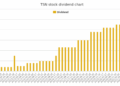
Monthly dividends from JEPI are distributed to shareholders based on the number of shares they own. These dividends are typically paid out regularly, providing investors with a steady income stream in addition to the potential for capital appreciation.
Comparison to Similar Dividend-Paying Stocks
- JEPI's stock performance can be compared to similar dividend-paying stocks in the market to assess its relative strength and stability. Companies in the same sector or with similar market capitalization can be used as benchmarks for comparison.
- Investors often look at factors such as dividend yield, payout ratio, and dividend growth rate when comparing dividend-paying stocks. JEPI's performance in these areas can provide valuable insights for investors.
Impact of Dividend Payments on Investor Returns
- Dividend payments from JEPI can have a significant impact on investor returns, especially for those seeking regular income from their investments. The steady stream of dividends can help offset market volatility and provide a source of passive income.
- Reinvesting dividends back into JEPI stock can also enhance long-term returns through the power of compounding. This strategy can help investors achieve their financial goals more effectively over time.
Monthly Dividend Breakdown
When it comes to JEPI's monthly dividend breakdown, investors are keen to understand how these dividends are calculated and paid out regularly. Let's dive into the details to shed light on this crucial aspect of JEPI's performance.
Calculation of Monthly Dividends
JEPI calculates its monthly dividends based on a specific formula that takes into account various factors such as the fund's net income, expenses, and any other relevant financial metrics. This ensures that the dividends are distributed in a sustainable and consistent manner.
Factors Influencing Monthly Dividends
- The performance of the underlying assets in JEPI's portfolio
- Interest rates and market conditions
- The fund's expenses and management fees
Comparison to Other Dividend-Paying Stocks
Compared to other dividend-paying stocks in the market, JEPI's monthly dividend payout may offer a unique advantage to investors who value regular income streams. By providing monthly dividends, JEPI stands out as a reliable option for those seeking consistent cash flow.
Implications for Investors
- Steady income source for investors
- Potential for reinvestment or additional income generation
- Enhanced portfolio diversification and risk management
Risk Factors
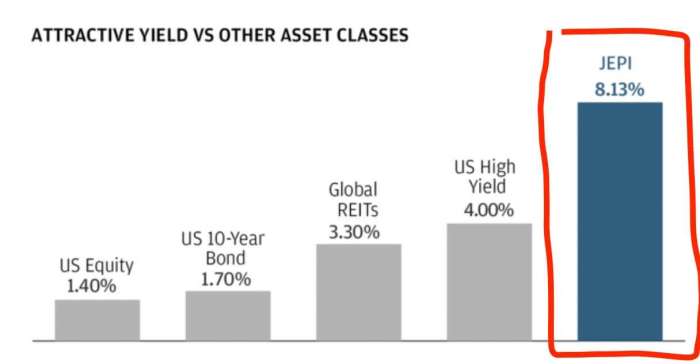
Investing in JEPI stock comes with certain risks that investors should be aware of in order to make informed decisions. Market fluctuations, industry trends, and other factors can impact JEPI's stock price and dividend payouts.
Market Fluctuations Impact
Market fluctuations can significantly impact JEPI's stock price and dividend payouts. During periods of economic uncertainty or market volatility, JEPI's stock price may experience sharp declines, affecting investor returns. Additionally, dividend payouts may be impacted if the company's financial performance is negatively affected by market conditions.
- JEPI's stock price may be subject to fluctuation due to changes in interest rates, inflation, or overall market sentiment.
- Dividend payouts may decrease if JEPI's revenue and profits are impacted by external economic factors.
Comparison to Other Dividend-Paying Stocks
When comparing JEPI's risk profile to other dividend-paying stocks, investors should consider the specific risks associated with the real estate industry and the overall market conditions. JEPI's exposure to interest rate changes, property market trends, and regulatory risks should be taken into account when evaluating its risk profile.
- JEPI's focus on real estate assets may expose it to risks such as property market fluctuations and regulatory changes.
- Compared to other dividend-paying stocks in different industries, JEPI may have a different risk-return profile based on its exposure to real estate market dynamics.
Strategies to Mitigate Risks
Investors can implement various strategies to mitigate risks when investing in JEPI stock. Diversifying their investment portfolio, staying informed about market trends, and conducting thorough research on JEPI's financial health and industry outlook can help investors manage and reduce the risks associated with investing in JEPI.
- Diversification across different asset classes and industries can help reduce the impact of market fluctuations on JEPI's stock.
- Regularly monitoring JEPI's financial performance, dividend history, and industry news can provide insights into potential risks and opportunities.
Closing Notes
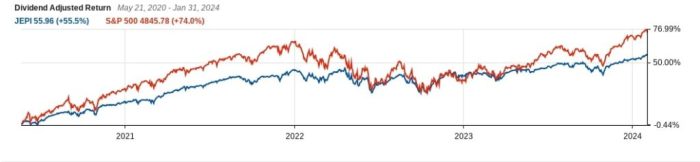
In conclusion, JEPI Stock Performance: Monthly Dividend Breakdown and Risk Factors provides a comprehensive understanding of JEPI stock, its dividend breakdown, and the risks involved, equipping investors with valuable insights for informed decision-making in the market.
Common Queries
What are the key risk factors associated with investing in JEPI stock?
The key risk factors include market fluctuations impacting stock price and dividend payouts, as well as specific industry risks affecting JEPI's performance.
How does JEPI calculate and pay out monthly dividends?
JEPI calculates monthly dividends based on its earnings and distributes them to shareholders on a regular schedule.
What strategies can investors use to mitigate risks when investing in JEPI?
Investors can diversify their portfolios, stay informed about market trends, and set stop-loss orders to manage risks effectively.