

Mezzanine Debt Financing: Ideal for Expanding Middle-Market Companies sets the stage for this enthralling narrative, offering readers a glimpse into a story that is rich in detail with casual formal language style and brimming with originality from the outset.
In the world of finance, mezzanine debt financing serves as a strategic tool for middle-market companies looking to expand and grow. This form of financing offers unique benefits and flexibility that set it apart from traditional debt options, making it an ideal choice for businesses aiming for rapid expansion.
As we delve deeper into the intricacies of mezzanine debt financing, a world of opportunities and possibilities unfolds for companies seeking to achieve their growth objectives.
Overview of Mezzanine Debt Financing
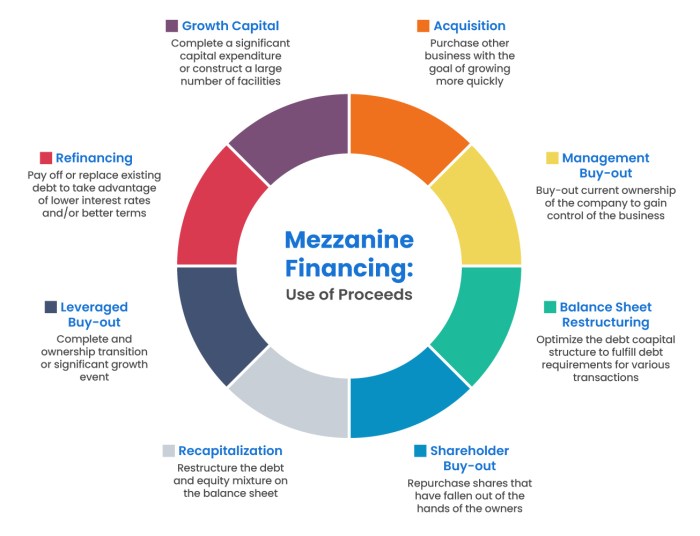
Mezzanine debt financing is a form of hybrid debt that combines elements of both debt and equity financing. Unlike traditional debt, mezzanine debt typically has flexible repayment terms and may include an equity component, such as warrants or options. This type of financing is often used by middle-market companies looking to fund growth initiatives, acquisitions, or management buyouts.
Benefits of Mezzanine Debt Financing for Middle-Market Companies
- Flexible Terms: Mezzanine debt offers more flexibility in terms of repayment, allowing companies to tailor the structure to their cash flow needs.
- Equity Upside: While it is debt, mezzanine financing may include equity components that provide potential upside for investors and align interests with the company's success.
- No Dilution: Unlike equity financing, mezzanine debt does not require business owners to give up ownership stake in the company.
- Higher Leverage: Mezzanine financing can provide higher leverage compared to traditional bank loans, allowing companies to access more capital for growth.
Examples of Situations Where Mezzanine Debt Financing is Suitable
- Expansion Projects: When a company is looking to expand its operations, enter new markets, or launch new products, mezzanine debt can provide the necessary capital.
- Acquisitions: Mezzanine financing can be used to fund acquisitions, allowing companies to grow through strategic purchases.
- Management Buyouts: In a management buyout scenario, mezzanine debt can help the existing management team acquire ownership of the business without requiring a significant upfront investment.
- Recapitalizations: Mezzanine debt can also be used in recapitalization transactions to restructure a company's balance sheet and provide capital for growth or shareholder distributions.
Characteristics of Mezzanine Debt
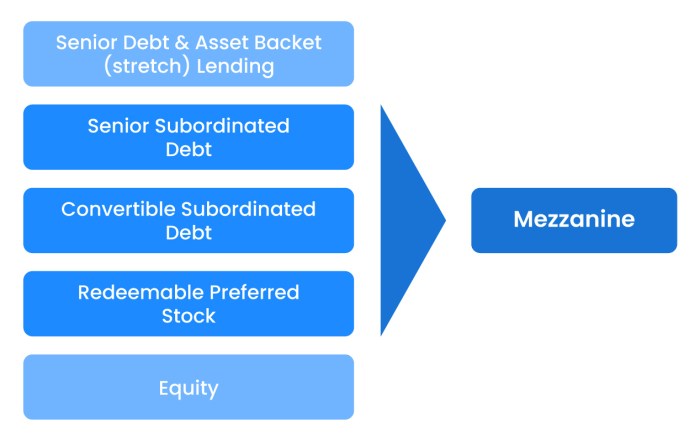
Mezzanine debt is a unique form of financing that sits between traditional debt and equity, offering a range of distinctive characteristics that make it an attractive option for middle-market companies looking to expand.
Subordination
Mezzanine debt is typically subordinated to senior debt, meaning that in the event of bankruptcy or liquidation, it is repaid after senior debt obligations have been fulfilled. This subordination increases the risk for the lender, which is reflected in higher interest rates compared to traditional loans.
Higher Interest Rates
Due to the higher risk associated with mezzanine debt, lenders charge higher interest rates to compensate for the increased potential for loss. These rates are generally higher than those of senior debt but lower than the cost of equity financing, making mezzanine debt an attractive option for companies seeking capital without diluting ownership.
Equity Participation
One of the key features of mezzanine debt is the opportunity for equity participation. Mezzanine debt providers may receive warrants or options that allow them to convert their debt into equity at a later date. This equity kicker provides lenders with the potential for additional returns if the company performs well.
Flexibility
Mezzanine debt offers greater flexibility compared to traditional debt financing. Lenders are often willing to tailor the terms of the financing to align with the company's growth plans, allowing for customized repayment schedules and structures that suit the specific needs of the business.
Alignment with Growth Plans
Mezzanine debt providers structure their investments in a way that aligns with the company's growth trajectory. By offering flexible terms and equity participation, lenders can support the company's expansion initiatives and provide the necessary capital to fuel growth without sacrificing ownership control.
Application Process for Mezzanine Debt Financing
Securing mezzanine debt financing involves a structured application and approval process that requires specific documentation and financial information from the company seeking funding. Companies need to be well-prepared to increase their chances of securing this type of financing.
Documentation and Financial Information
- Companies applying for mezzanine debt financing typically need to provide detailed financial statements, including income statements, balance sheets, and cash flow projections.
- Legal documents such as corporate governance documents, articles of incorporation, and any existing debt agreements may also be required.
- A comprehensive business plan outlining the company's growth strategy, market position, and use of funds is essential for mezzanine debt lenders to assess the viability of the investment.
- Management resumes and references may be requested to evaluate the experience and capability of the leadership team in executing the business plan.
Preparing for Mezzanine Debt Financing
- Companies should conduct a thorough internal review of their financial position and operational capabilities to identify any weaknesses or areas for improvement.
- Engaging with financial advisors or investment bankers can help companies navigate the mezzanine debt financing process and present their business in the best possible light to lenders.
- Building relationships with potential mezzanine debt lenders before the application process can help companies understand lender preferences and tailor their proposals accordingly.
- Demonstrating a strong track record of revenue growth, profitability, and cash flow generation can significantly enhance a company's chances of securing mezzanine debt financing.
Risks and Considerations
When considering mezzanine debt financing, it is crucial for companies to be aware of the risks involved in this type of funding. These risks can impact the financial health and ownership structure of the business, making it essential to understand how to mitigate them effectively.
Higher Interest Costs and Potential Dilution of Ownership
- Mezzanine debt typically comes with higher interest rates compared to traditional bank loans, as it is considered a riskier form of financing for investors. This can result in increased interest costs for the company, affecting its profitability and cash flow.
- Moreover, mezzanine debt often includes equity participation rights, allowing lenders to convert their debt into ownership stakes in the company. This potential dilution of ownership can lead to a loss of control for existing shareholders, impacting decision-making processes.
Mitigating Risks in Mezzanine Debt Financing
- Companies can mitigate the risks of higher interest costs by carefully assessing their ability to service the debt and negotiating favorable terms with lenders. It is crucial to have a solid financial plan in place to ensure the company can meet its debt obligations.
- To address the potential dilution of ownership, companies can structure the mezzanine financing agreement with clear terms on equity participation and exit strategies. By defining the rights and responsibilities of both parties upfront, companies can protect their ownership interests.
Comparison with Other Forms of Financing
- When comparing the risks of mezzanine debt with traditional bank loans, it is important to note that bank loans typically offer lower interest rates but require collateral and strict financial covenants. Mezzanine debt, on the other hand, provides more flexibility but at a higher cost.
- In contrast to equity financing, mezzanine debt allows companies to retain ownership control while accessing additional capital. However, the risk of potential dilution and higher interest costs should be carefully weighed against the benefits of equity financing.
Final Wrap-Up
In conclusion, Mezzanine Debt Financing: Ideal for Expanding Middle-Market Companies encapsulates the essence of strategic financial planning for businesses on the cusp of growth. By understanding the nuances and advantages of mezzanine debt financing, companies can unlock new avenues for expansion and success, propelling them towards a prosperous future filled with opportunities and growth.
Expert Answers
What is mezzanine debt financing?
Mezzanine debt financing is a hybrid form of financing that combines elements of debt and equity. It typically has higher interest rates, offers flexibility in repayment, and may include equity participation.
How can companies prepare to secure mezzanine debt financing?
Companies can prepare by having a clear growth plan, solid financial records, and a strong management team. They should also be ready to provide detailed documentation and financial information to lenders.
What are the risks associated with mezzanine debt financing?
Risks include higher interest costs, potential dilution of ownership, and the need to meet growth targets to repay the debt. Mitigating these risks requires careful financial planning and strategic decision-making.